
Why Australia's Diverse Landscapes Inspire Adventurous Souls

Exploring Australia's Landscapes
Australia offers an array of stunning landscapes that evoke a sense of adventure in every traveller's heart. Starting with our pristine beaches and coastal marvels, it's easy to picture yourself exploring Fremantle's coastline. This place isn't just a local treasure; it’s a gateway to unforgettable experiences and dreams of distant horizons. Speaking of such horizons, imagine setting foot on thrilling South America tours, where the vibrant cultures and breath-taking vistas stir the soul much like our own shores do.
Beaches and Coastal Wonders
The allure of Australia's beaches and coastal panoramas is undeniable. With each sun-drenched day on the sandy stretches, from the iconic Bondi Beach to hidden gems along the Great Ocean Road, there are endless moments to marvel at. Whether you’re indulging in a leisurely stroll or a more adventurous scuba dive, these pristine spots provide an ever-present invitation to embrace outdoor life.
Majestic Mountain Ranges
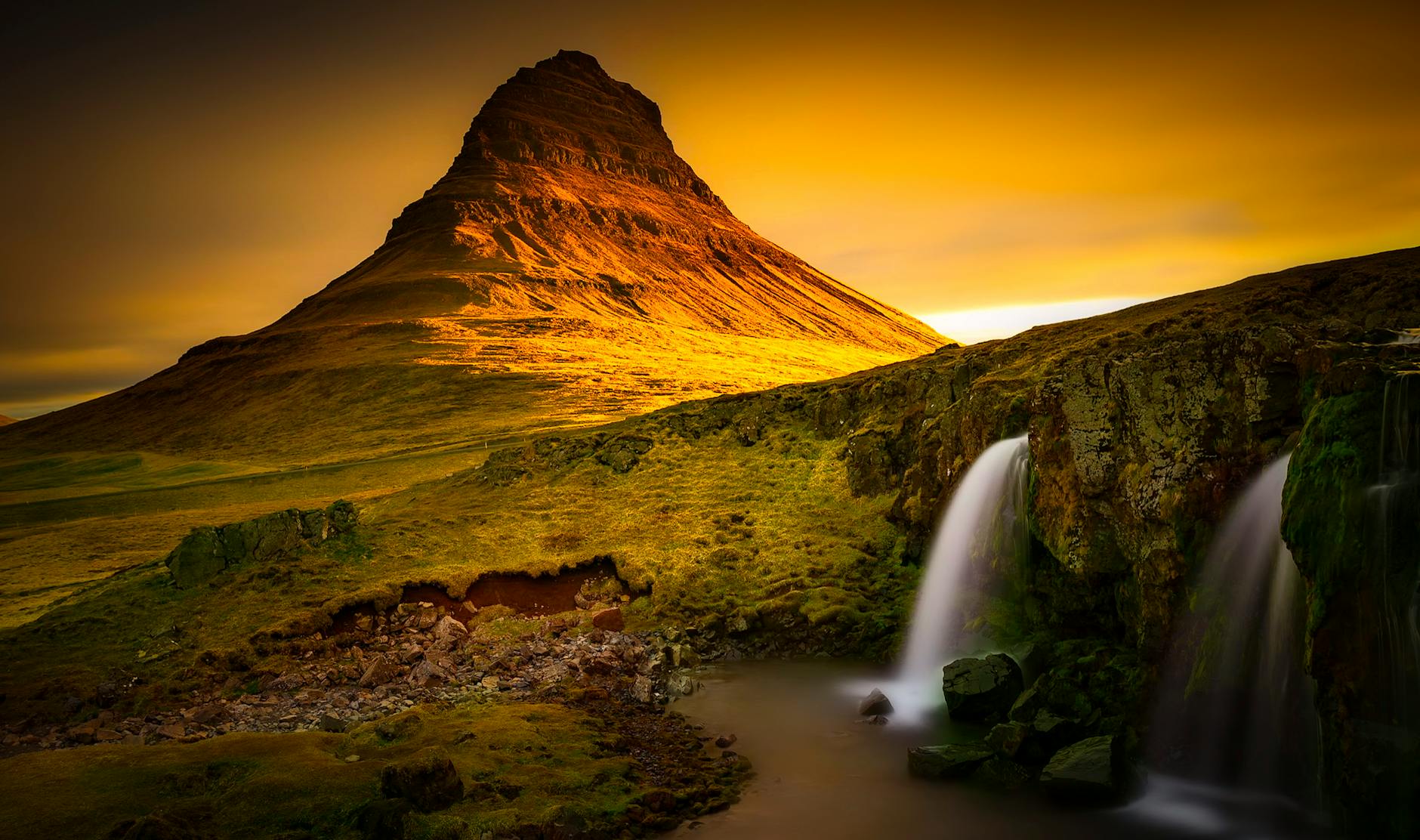
Beyond the coastline, our majestic mountain ranges offer yet another world to explore. The Blue Mountains and the Grampians stand out as rugged symbols of natural grandeur. Their landscapes offer active pursuits like hiking and rock climbing amidst stunning vistas. Often, wanderers find parallels to their journeys through wild African landscapes, like the rugged terrains of a Victoria Falls safari, where nature’s scale seems boundless.
Dense Rainforests
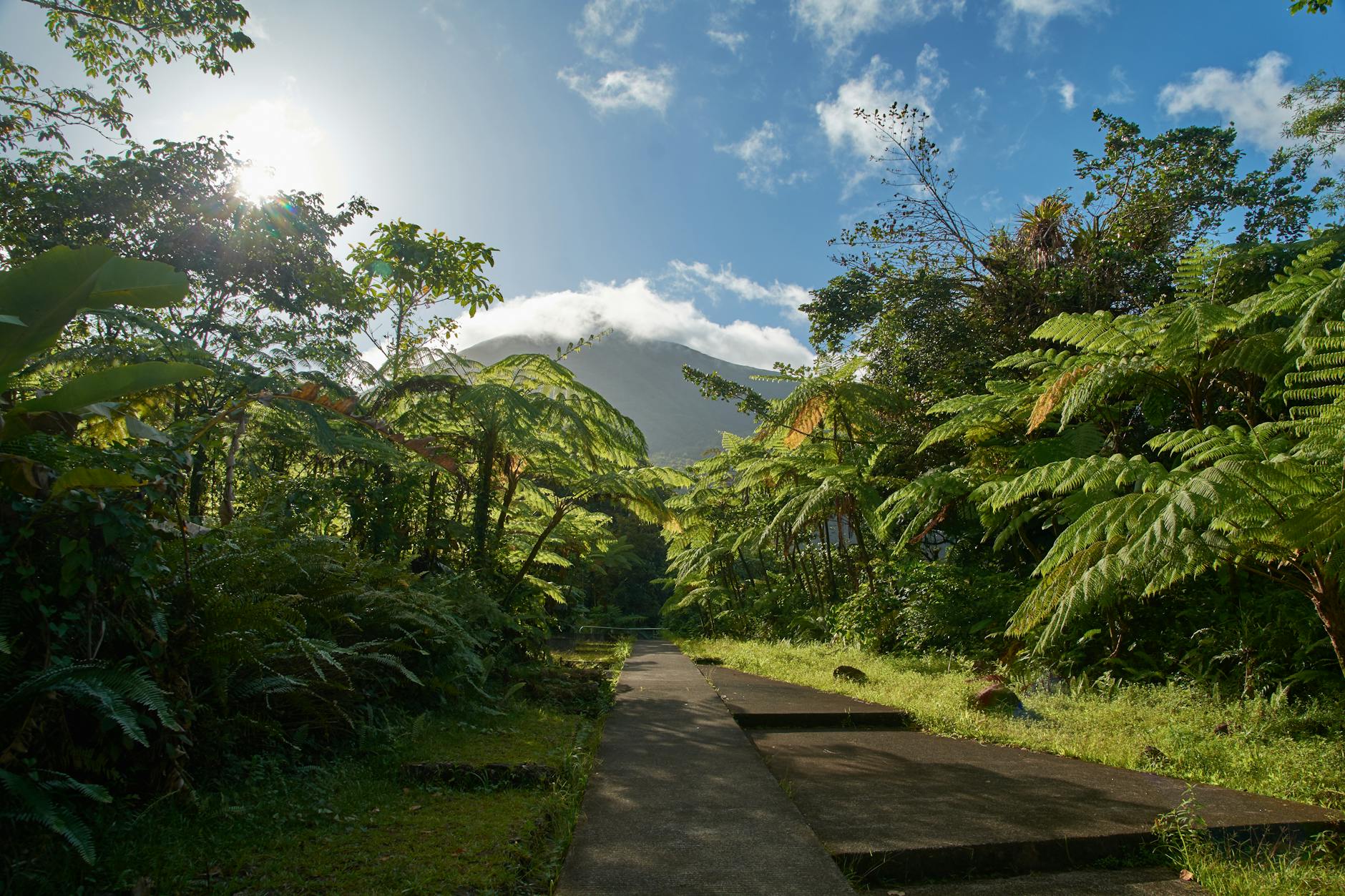
Finally, the dense rainforests of Australia, such as the Daintree and Tarkine, beckon with their lush greenery and diverse ecosystems. Each step into these verdant havens reveals new wonders and serenades adventurers with the symphony of wildlife. It's reminiscent of South Africa tours, where similar verdant escapades connect travellers once again to the heartbeat of the planet through unfiltered natural beauty.
Unique Wildlife Experiences
Outback Encounters
As you stand amid the endless red sands of Australia’s outback, it feels as though you’ve stepped into another world. The rugged terrain, consumed by vibrant hues at sunrise and sunset, offers encounters with kangaroos, emus, and the elusive bilby. It’s like a live David Attenborough documentary, but with the unparalleled thrill of being part of the scene. When I last explored the outback, I was mesmerised by the ancient rock formations and the rich tapestry of Aboriginal culture that envelops every corner. It’s akin to the captivating landscapes you might expect on Africa tours, though each has its own distinct charm.
Marine Life Highlights
Beyond the vast bushland, Australia’s diverse marine ecosystem steals the spotlight. At Ningaloo Reef, swimming alongside the gentle giants—whale sharks—intensifies the sense of wonder. Whether it’s the graceful dance of dolphins in Shark Bay or witnessing baby turtles traverse the beaches of Rottnest Island, the ocean promises adventures that are both exhilarating and humbling. It's an underwater ballet of life echoing the profound engagement felt during Patagonia tours, connected by a shared appreciation for nature’s marvels.
Birdwatching Hotspots
For those who find solace in birdwatching, Australia’s landscapes paint a vibrant scene. The cacophony of calls from cockatoos and kookaburras in Kings Park and Botanic Garden illuminates the air like a living symphony. Spotting the rare Regent Honeyeater amidst eucalyptus trees is a ground-breaking moment that lifts the soul. The diversity rivals any avian spectacle you might witness abroad, adding another layer to the inexhaustible richness of nature right here.
Adventurous Activities
Hiking and Trekking Paths
When it comes to hiking and trekking adventures, few places compare to the sheer beauty and variety found along the trails near Perth's Rottnest Island. This region offers pathways that cater to both seasoned trekkers and those looking to enjoy leisurely walks amidst stunning landscapes. If you're keen on a bit of exploration beyond the mainland, think about embarking on one of the exhilarating Machu Picchu tours. These tours promise a unique blend of culture and adventure, satisfying both your thirst for thrill and your curiosity about ancient civilisations.
Water Sports Adventures
Perth's coastal waters are a haven for water sports enthusiasts. The gentle waves and clear waters off Fremantle's coastline provide the perfect conditions for kayaking, surfing, and even paddleboarding. For a more exotic twist, consider the Galapagos islands tours. Here, you can dive into clear blue waters with vibrant marine life teeming all around you. It's an unmatched opportunity to swim with sea lions, spot penguins, and experience the underwater world in one of the most biodiverse locations on the planet.
Off-Road Explorations
If the idea of conquering rugged terrains excites you, the off-road tracks around King's Park and Botanic Garden in Perth offer an ideal playground. These trails present opportunities to explore lush landscapes and breathtaking views. For those looking to venture further afield, South America presents unparalleled experiences like sandy deserts and lush jungles, each offering its own unique off-road challenges and scenic discoveries. There’s nothing quite like the thrill of blazing a trail through untamed landscapes, where every twist and turn promises new stories.
Cultural and Historical Sites
Indigenous Heritage Tours
On the spine of Western Australia’s unique travel stories lie tours that explore the continent's rich Indigenous heritage. These journeys aren’t merely historical; they're a deep meditative experience that speaks to the timeless artistry and oral traditions passed down through millennia. Visiting areas like the Kimberley region provides an intimate view into ancient rock art and Dreamtime stories, offering insights that are both educational and profoundly moving. Imagine standing near a painting that predates Rome itself, feeling the whisper of the past breeze through the air.
Colonial History Trails
The tales of Australia’s colonial past come alive through carefully plotted heritage trails. Journey through Fremantle’s coastline, where the juxtaposition of historic maritime landmarks against the backdrop of the Indian Ocean creates an atmosphere ripe for exploration. Meander through cobblestone streets, where every corner holds a new piece of Australia’s colonial tapestry. The blend of aged architecture with modern adaptation reveals a story of resilience and growth that beckons travelers to walk and reflect the entirety of our shared history.
Artistic and Cultural Festivals
For those enchanted by culture and art, Australia’s vibrant festivals are not to be missed. Events like the Sydney Festival showcase a kaleidoscope of performances, from theatre and music to visual arts, drawing artists from around the globe. Such festivals offer a glimpse into the contemporary pulse of Australian culture, marrying traditional heritage with modern expression. Keeping these experiences at heart while traveling enriches your understanding and appreciation of our vast, diverse land—from Kenya tours that explore global connections to Central America tours offering other worldly insights.
Dealing with Travel Challenges
Navigating Remote Areas
Exploring the stunning landscapes of Australia, stretching from Kings Park and Botanic Garden to the farthest reaches of the outback, often involves travelling through remote areas. Each journey presents its own tale of adventure. During one of my treks near Fremantle's coastline, I discovered that planning is key when venturing far from urban comforts. Ensure your vehicle is equipped with GPS, plenty of fuel, and extra supplies like water and non-perishable food. A paper map, despite its vintage charm, becomes a reliable companion when technology fails.
Weather and Climate Variabilities
Australia’s climate is as diverse as its landscapes, offering unique thrills and challenges. Whether you're hiking in the Blue Mountains or diving off the shores of Rottnest Island, you’ll need to prepare for sudden weather changes. During one of my escapades through the mountains, I faced an unexpected storm, and having packed a waterproof jacket and layered clothing saved the day. Always check forecasts before departing and bring appropriate gear to handle everything from scorching sun to sudden downpours.
Wildlife Safety Precautions
Australia's rich biodiversity is a key highlight for any traveller, with creatures ranging from kangaroos in the outback to vibrant parrots near the rainforest. But as enchanting as these experiences are, they require a level of caution. On a memorable trip to a birdwatching hotspot, I learned that respecting animal habitats is paramount. Maintain a safe distance, research the area's wildlife beforehand, and carry a basic first-aid kit. After all, these respectful practices ensure every adventure remains thrilling yet safe.